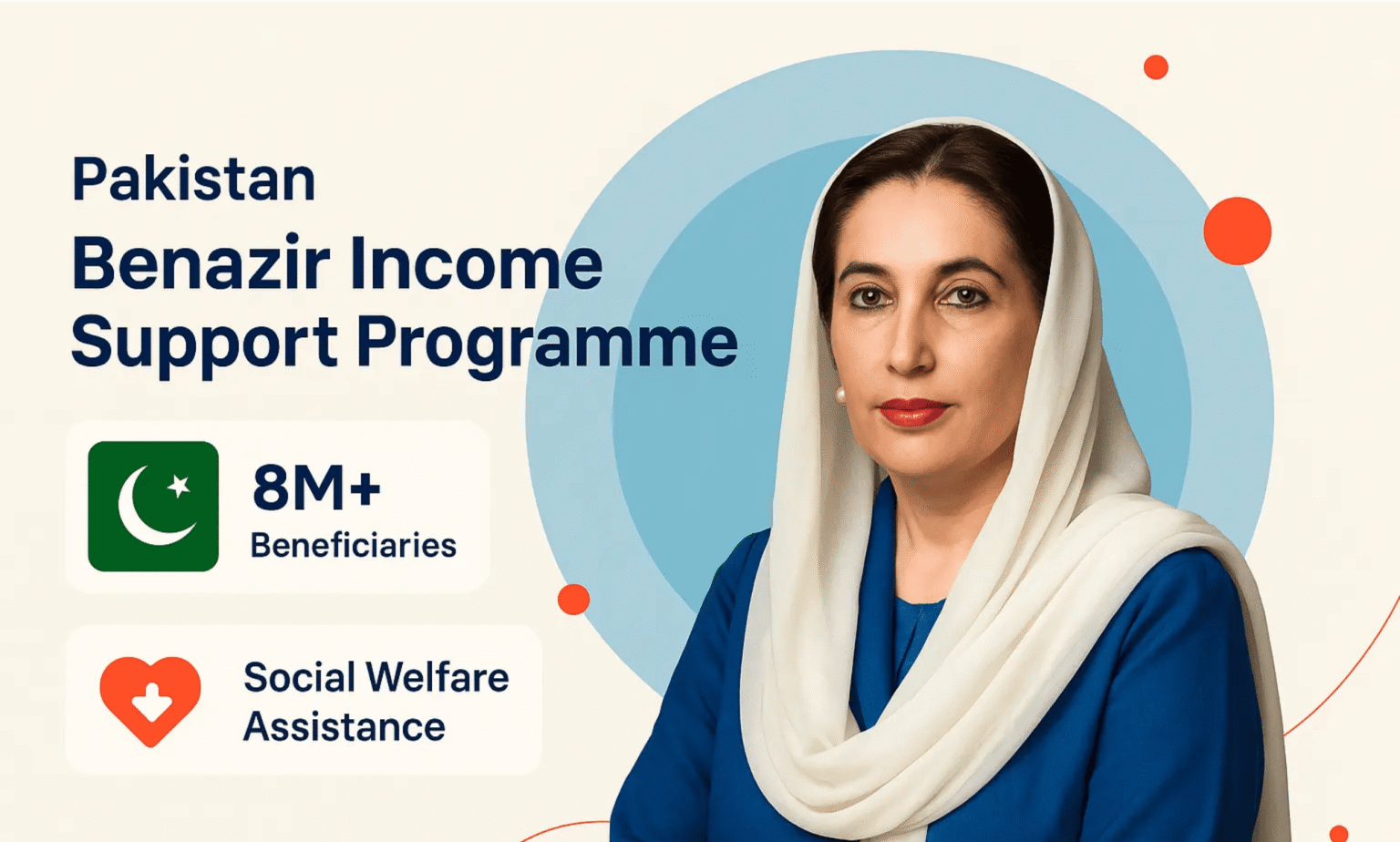
The Benazir Income Support Programme (BISP)stands as a pivotal initiative in Pakistan, designed to provide financial assistance to the country’s most vulnerable populations. Launched in 2008, the programme aims to alleviate poverty, empower women, and improve the living standards of millions of families facing economic hardships.
Through targeted cash transfers and support mechanisms, BISP has significantly impacted the socio-economic landscape of Pakistan, offering a lifeline to those in need. This article delves into the objectives, achievements, and challenges of the programme, highlighting its role in transforming the lives of its beneficiaries and contributing to the broader goal of poverty alleviation in the nation.
The Benazir Income Support Programme (BISP) is Pakistan’s flagship social safety net initiative aimed at alleviating poverty and providing financial assistance to the most vulnerable families across the nation. Launched in 2008, this programme pays homage to the late Benazir Bhutto, the first female Prime Minister of Pakistan, and serves as a testament to the ongoing fight against poverty and inequality.
History and Establishment
BISP was initiated in response to the rising levels of poverty and economic instability in Pakistan. With a heart full of ambition and a strategy to cover the gaps in welfare, it was established under the Pakistan Peoples Party (PPP) government.
The aim was to provide direct cash transfers to underprivileged households, offering them a safety net and a chance to improve their living conditions. Fast forward to today, and BISP has transformed into one of the largest social protection schemes in the country.
Key Features of the Programme
BISP packs several impressive features designed to make life a little easier for beneficiaries. Firstly, the programme provides cash transfers, which can be a game-changer for families struggling to make ends meet.
Secondly, it has a robust targeting mechanism to ensure that the aid reaches those who really need it, making use of sophisticated data collection technology. Lastly, it offers complementary initiatives such as skills training and health care programs, proving that it’s not just about cash; it’s about empowering families for a brighter future.
Left Aligned Logo and Form
Benazir Income Support Programme: Helping Millions of Pakistani Families
Objectives and Goals of the Programme
BISP is not just throwing money around like confetti at a wedding; it has clear objectives that focus on reducing poverty and improving the quality of life for millions of Pakistanis.
Reduction of Poverty Levels
The primary aim of BISP is to reduce poverty levels by providing financial support to low-income households. By injecting cash directly into the hands of the neediest, BISP helps families cover essential expenses like food, education, and healthcare. It’s like giving a lifebuoy to a swimmer struggling in choppy waters—only with slightly less splashing.
Empowerment of Women
One of the shining stars of BISP is its focus on women’s empowerment. The programme has been designed to target female family members, recognizing that when women thrive, families and communities flourish.
By sending cash directly to women, BISP equips them with financial decision-making power, which can lead to improved education and health outcomes for their children. It’s like giving women the steering wheel and saying, “Go on, take the wheel!”
Support for Vulnerable Groups
BISP also aims to provide special support for vulnerable groups, including minorities, the elderly, and persons with disabilities. This inclusivity ensures that no one is left behind, making the programme a safety net for all who need it. Think of it as a big, warm blanket that wraps around those who might otherwise feel cold and alone.
Eligibility Criteria for Beneficiaries
To ensure that the right families get the help they need, BISP has set some eligibility criteria. Spoiler alert: There’s a bit of math involved!
Income Thresholds
To qualify for assistance, households must fall below certain income thresholds. This means if you’re living in a mansion and sipping chai on a golden balcony, BISP isn’t for you. The programme focuses on the poorest of the poor, ensuring that funds go to those who truly need it.
Family Composition and Size
Family size and composition also play a crucial role in eligibility. The programme takes into account the number of dependents when determining assistance. So whether you’re a family of two or a bustling tribe of ten, BISP is keen on tailoring the support to fit your unique situation.
Geographic Considerations
Lastly, geographic considerations come into play. BISP targets areas with the highest poverty rates, ensuring that the neediest regions receive the most support. Whether you’re in a city trying to dodge traffic or in a remote village with more goats than people, BISP has your back.
Impact on Poverty Alleviation in Pakistan
BISP isn’t just a wholesome initiative – it’s making significant strides in poverty alleviation across the nation.
Statistical Evidence of Impact
The numbers don’t lie! Reports indicate that BISP has lifted millions of families out of extreme poverty, with a noticeable decline in poverty rates since its inception. Statistics reveal that cash transfers have significantly improved household consumption, making food, education, and healthcare more accessible for many.
Long-term Effects on Family Well-being
The positive effects of BISP don’t just stop at cash transfers. Studies have shown that households receiving support are more likely to invest in their children’s education and health, leading to a cycle of improved well-being that can last for generations. It’s like planting seeds in a garden; with time, they grow into a beautiful landscape.
Contribution to Economic Growth
By empowering families and boosting their purchasing power, BISP contributes to local economies as well. More cash in the hands of consumers means more spending, which in turn stimulates businesses and creates jobs. It’s like throwing a pebble into a pond; the ripples spread far and wide, benefiting the entire community.
Distribution Mechanisms and Financial Assistance
Cash Transfer Methods
The Benazir Income Support Programme (BISP) primarily utilizes direct cash transfers to assist low-income families across Pakistan. Beneficiaries receive funds through various methods, including bank transfers and mobile wallets.
The most common distribution involves transferring money via the Benazir Card, which allows recipients to withdraw their funds easily from designated ATMs or retail points. This straightforward method aims to ensure that financial help reaches those who need it most, without unnecessary bureaucratic red tape.
Technological Innovations in Distribution
In a world where even your toaster can be smart, BISP is no slouch in adapting to technology. The programme leverages digital platforms to enhance its efficiency and reach. With the introduction of biometric verification at dispersal points, fraud efforts are thwarted, ensuring that funds go only to the rightful beneficiaries.
Additionally, mobile money services are being utilized to streamline access to funds, reducing the need for physical presence at banks, especially in remote areas. This tech-savvy approach is making cash disbursement smoother than your morning coffee!
Monitoring and Evaluation Processes
Keeping a close eye on cash distributions is crucial to BISP’s credibility and effectiveness. The programme employs rigorous monitoring and evaluation processes that rely on data analytics to track fund flow and beneficiary status.
Regular audits and field surveys help identify issues and inform improvements. Plus, beneficiary feedback is welcomed and valued, allowing the programme to adapt and grow based on real-world experiences, like a plant thriving with proper care and attention.
Success Stories and Testimonials from Beneficiaries
Case Studies of Impact
BISP is packed with heartwarming stories that illustrate the programme’s potential to change lives. For instance, in a small village in Sindh, a family who previously struggled to afford basic necessities can now send their children to school thanks to the financial assistance.
With the cash support, they’ve managed to invest in a small business, allowing them to dream beyond mere survival. These stories are the backbone of BISP, proof that when you support families, you uplift entire communities.
Voices from the Beneficiary Community
The voices of beneficiaries paint a vivid picture of the programme’s impact. From mothers telling tales of how cash transfers have enabled them to put food on the table to young students sharing how they can now afford school supplies, the testimonials are both inspiring and humbling.
One beneficiary expressed, “I no longer worry about tomorrow. BISP has given me peace of mind.” These heartfelt accounts remind us that behind the statistics are real people whose lives are being transformed day by day.
Challenges and Areas for Improvement
Administrative Hurdles
Navigating the labyrinth of administrative processes can sometimes be as complex as assembling IKEA furniture without instructions. While BISP has made strides, there are still bottlenecks in the application process and data management that can delay assistance to those in dire need.
Streamlining these processes is crucial to ensure that help is timely and efficient. After all, nobody likes to feel lost in a bureaucratic maze when they’re just trying to get by.
Social Stigma and Misconceptions
Despite its noble intentions, some beneficiaries encounter social stigma surrounding the programme. Misconceptions about the nature of cash assistance can lead to feelings of shame, discouraging eligible families from applying.
This societal hurdle needs to be addressed openly, promoting awareness and understanding that receiving support is not a sign of failure, but rather a step towards empowerment. It’s time we change the narrative and celebrate those who are striving for a better future!
Need for Increased Funding
While the programme has successfully reached millions, the need for increased funding is pressing. With rising inflation and economic challenges, the support provided must keep pace with the changing landscape.
Additional financial backing will not only strengthen the existing framework but also expand outreach to more families in need, ensuring that no one gets left behind. It’s like adding more lifeboats to a ship – better safe than sorry!
Future Prospects and Sustainability of the Programme
Policy Recommendations
Looking ahead, strategic policy recommendations could bolster BISP’s effectiveness. Advocating for transparent processes and regular assessments will enhance accountability. Additionally, integrating support programmes with skills development initiatives can empower beneficiaries, helping them break free from the cycle of poverty. It’s about planting seeds that will grow into a self-sustaining garden of opportunities.
Potential Partnerships and Collaborations
The future of BISP could shine even brighter through partnerships with non-profits and private sector organizations. Collaborating with local businesses could lead to job creation, while educational institutions can provide skill training for beneficiaries. By pooling resources and expertise, BISP can amplify its impact, like a well-conducted orchestra playing a melodious tune of hope and resilience.
Long-term Vision for Income Support in Pakistan
BISP’s long-term vision is not just about providing cash but creating a robust safety net that supports not only the present but also future generations. By cultivating a culture of empowerment and self-sufficiency, the programme aspires to turn beneficiaries into contributors, weaving them into the economic fabric of the nation.
A future where everyone has a fair shot at prosperity is not just a dream – with concerted efforts, it can become a reality!In conclusion, the Benazir Income Support Programme has made substantial strides in improving the lives of millions of Pakistani families by providing essential financial support and fostering empowerment.
While challenges remain, the programme’s ongoing evolution and commitment to addressing the needs of the most vulnerable populations highlight its importance in the fight against poverty. As Pakistan continues to navigate its socio-economic landscape, initiatives like BISP will be crucial in ensuring a more equitable and prosperous future for all citizens.
Frequently Asked Questions
What is the Benazir Income Support Programme?
The Benazir Income Support Programme (BISP) is a social safety net initiative launched by the Government of Pakistan in 2008, aimed at providing financial assistance to low-income families to help alleviate poverty and support vulnerable populations.
Who is eligible to receive support from BISP?
Eligibility for the Benazir Income Support Programme is primarily based on income levels, family size, and specific socio-economic factors. Families that fall below a certain income threshold and meet the programme’s criteria can qualify for financial assistance.
How is the financial assistance distributed to beneficiaries?
Financial assistance under BISP is typically distributed through cash transfers, which can be accessed via designated banking channels, mobile payment systems, or through local payment centers, ensuring that support reaches those in need efficiently.
What impact has the Benazir Income Support Programme had on poverty levels in Pakistan?
BISP has significantly contributed to poverty alleviation in Pakistan by providing essential financial support to millions of families, helping improve their living standards, access to education, and overall well-being, thereby positively influencing socio-economic conditions in the country.
By 8171Portal
This website, 8171portalnews.com, is an independent online platform created for informational Knowledge and educational purposes only. It is not an official govt website and is not affiliated with, endorsed by, or connected to any govt department or program. All content provided here is intended to guide and assist users with general information. While we strive to ensure accuracy, we do not guarantee that the information on this site is always up to date or free from errors. For official and verified details, please visit the official government website or contact the relevant govt authorities directly.